If you are asking how to buy wholesale from China, you are probably already seeing the usual promises: low prices, endless supplier options, and fast replies from companies that say they can make almost anything.
That is normal.
The harder part is this: buying wholesale from China is not just about finding a cheap quote. It is about making sure the supplier, the product, and the transaction are all actually workable before money moves.
That is where many buyers get hurt.
A supplier can look professional online and still be the wrong fit. A sample can look fine and still fail at scale. A cheap quote can turn into an expensive problem later if the quality slips, the documents are weak, or the evidence trail was not preserved early enough.
In this guide, we walk through how to buy direct from China step by step, what to do first, what to check before deposit, and where buyers should slow down before they commit.
Quick answer
If you want the short version, buying wholesale from China usually looks like this:
- choose the product and define your requirements
- identify supplier options
- compare quotes and supplier type
- verify the supplier before deposit
- confirm sample, specs, and terms
- pay only when the transaction structure makes sense
- keep records and evidence organized from the start
The mistake is trying to skip the middle steps and jumping from an online quote straight to payment.
Step 1: Know what you are actually buying
Before you contact suppliers, you need to be clear about the product itself.
That means:
- what the product is
- what quality level you expect
- what materials or specifications matter
- what packaging is needed
- what your target price range is
- what market you are selling into
If your instructions are vague, the quotes will be vague too.
If you need a cleaner way to define materials, dimensions, packaging, and compliance before you start asking for quotes, our guide to product spec sheets for Chinese factories breaks that process down.
This is one reason buyers get confused. They ask five suppliers for “the same product,” but in reality each supplier is pricing a slightly different version.
Step 2: Decide where to search
There is no single best place to start for every product.
Some buyers begin with international B2B platforms. Some use China-side sourcing support. Some need a market trip first. Some already have a referral.
In general:
- use wholesale websites if you need remote discovery and broad comparison
- use wholesale markets if you need real-world product comparison in category-heavy sectors
- use factory sourcing support if you want a cleaner shortlist and less platform noise
If that third path fits your situation, our buyer-side China sourcing agent service can help create a filtered shortlist before deposits or supplier negotiations start.
If you need the platform view first, start with our guide to China wholesale websites. If you need the market angle, see our guide to China wholesale markets.
Step 3: Shortlist suppliers, not just products
This is where buying wholesale from China starts becoming a real sourcing process.
You are not only comparing products. You are comparing businesses.
At this stage, you want to narrow the list based on:
- product fit
- communication quality
- quotation clarity
- supplier type
- category experience
- willingness to answer specific questions
Many buyers waste time by talking to too many weak-fit suppliers at once. A shorter, cleaner shortlist is usually more useful than a giant pile of quotes.
Step 4: Check whether you are dealing with a factory, a trader, or a mixed operation
This matters more than many buyers realize.
A trader is not automatically a problem. The real problem is mismatch between what the buyer thinks is happening and what is actually happening.
If you think you are buying direct from a factory, but you are really dealing with a trader, then your assumptions about pricing, communication, accountability, and production control may all be wrong.
Ask:
- Who actually produces the goods?
- Who issues the invoice?
- Who receives payment?
- Who is responsible if quality drops later?
If those answers stay vague, the risk is already higher.
Step 5: Compare quotes the right way
A low quote is not enough on its own.
When buyers compare suppliers, they should look at:
- unit price
- MOQ
- tooling or setup cost
- packaging cost
- sample cost
- lead time
- payment terms
- what is not included
This is where “cheap” often becomes misleading.
A supplier can appear cheaper because they priced a lower material grade, omitted packaging details, gave a vague lead time, or left out extra charges that show up later.
In sourcing, cheap online does not always mean good value in real life.
Step 6: Verify the supplier before deposit
This is one of the most important steps in the whole process.
Before paying a deposit, buyers should try to confirm:
- the company is real
- the company matches the deal being offered
- the supplier type makes sense for the product
- the documents and transaction structure are not exposing the buyer unnecessarily
This is where buyer-side verification matters.
If you already found a supplier but are not sure whether you should trust the deal, the right next step is usually not more browsing. It is verification.
For a supplier-screening checklist focused specifically on company type, credibility, and pre-deposit risk, our guide to reliable Chinese wholesale suppliers goes deeper.
Step 7: Use samples properly
Samples are useful, but buyers often over-trust them.
A sample should help answer:
- does the supplier understand the product
- does the finish match expectation
- is the material or construction acceptable
- are there obvious gaps between promise and execution
What a sample does not guarantee is stable mass production.
A good sample is a positive sign. It is not final proof.
Step 8: Lock the specs and terms before money moves
Before you pay, the order needs enough structure.
At minimum, you should be clear on:
- product specifications
- acceptance standards
- packaging expectations
- lead time
- payment schedule
- what happens if the goods do not match the agreed standard
If these points stay fuzzy, the transaction stays weak.
If the shipment side of the transaction is already taking shape, our guide to shipping manifests and our guide to shipping marks explain the document and carton details buyers should keep aligned.
Step 9: Preserve evidence from the beginning
This part gets ignored far too often.
If something goes wrong later, the buyer's position depends heavily on what was preserved earlier.
Keep:
- quotations
- listings
- invoices
- chat history
- email exchanges
- sample records
- specifications
- payment records
- promises on lead time, quality, or packaging
Why does this matter?
Because if a dispute starts and the key records were never fixed clearly, later action becomes much harder.
If the matter has to be pushed locally in China, weak evidence can seriously reduce the buyer's position.
Step 10: Know when to stop searching and start filtering
Many buyers stay stuck in “search mode” too long.
They keep opening more websites, asking more suppliers, and collecting more quotes, hoping that one more search round will create certainty.
Usually, it does not.
At some point, the problem is no longer “I need more supplier names.”
The problem becomes:
- Which supplier is real?
- Which quote is believable?
- Which company is actually the right fit?
- What should I fix before paying a deposit?
That is the point where filtering matters more than more browsing.
Common mistakes buyers make
Here are some of the most common mistakes when buying wholesale from China:
1. Choosing by price too early
A cheap quote without enough context is not a decision. It is just a number.
2. Confusing a polished listing with a safe supplier
Online presentation is not the same as real transaction quality.
3. Paying before the documents and specs are clear
The buyer loses leverage once money moves.
4. Assuming a sample solves everything
Samples help, but they do not replace process control and supplier evaluation.
5. Waiting too long to organize evidence
The right records are much easier to preserve early than to rebuild later.
FAQ
How do you buy wholesale from China safely?
The safest approach is to define the product clearly, shortlist suppliers carefully, verify the supplier before deposit, confirm specs and terms in writing, and preserve evidence from the start.
Can I buy direct from China without a sourcing agent?
Yes, sometimes. If the product is simple and the order is small, many buyers can manage the early search themselves. But as order value and complexity rise, buyer-side sourcing support often becomes more useful.
What is the best website to buy wholesale from China?
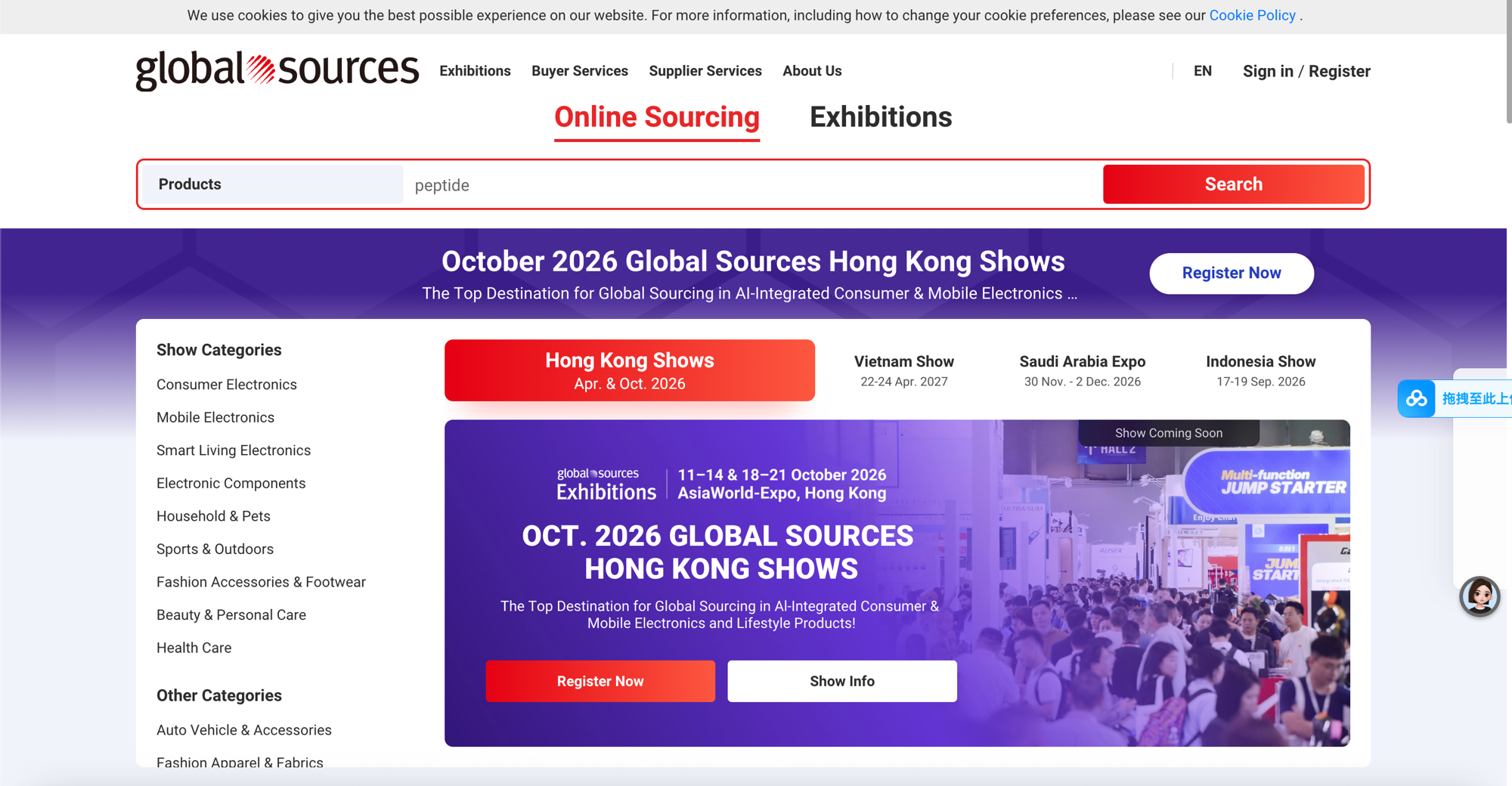
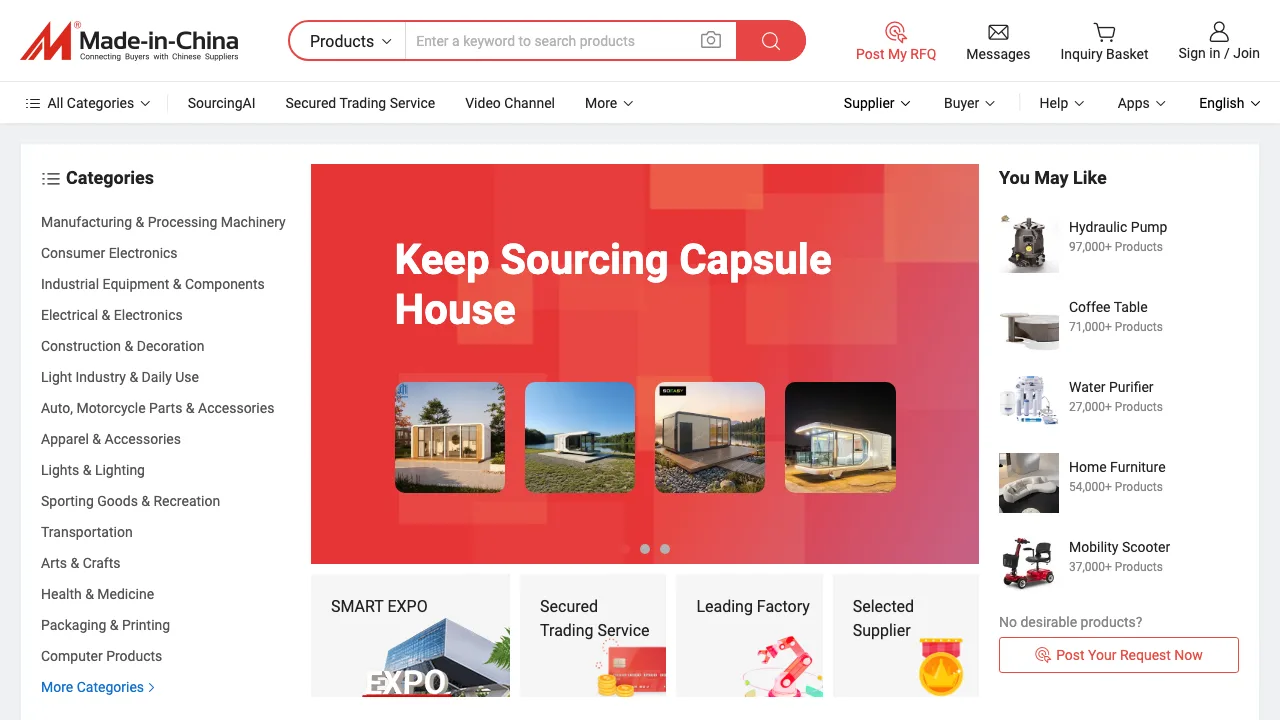
That depends on the product and sourcing stage. Alibaba, Made-in-China, Global Sources, and 1688 each serve different roles. The platform helps you find options, but it does not remove the need for supplier verification.
Is buying wholesale from China risky?
It can be, especially if the buyer moves too quickly from online inquiry to deposit. The biggest risks usually come from weak supplier filtering, unclear specifications, and poor evidence control.
What should I do before paying a supplier in China?
Before paying, confirm who the supplier really is, whether the product and quote make sense, whether the specs are clear, and whether the transaction documents protect you well enough.
Final answer
The best way to buy wholesale from China is not to rush from a cheap online quote to payment.
Start by defining the product clearly. Build a shortlist instead of talking to everyone. Check whether the supplier is actually the right type of company. Compare quotes carefully. Verify the supplier before deposit. Lock the specs and keep evidence organized from day one.
That is the difference between “finding something cheap online” and building a transaction that can actually survive real-world sourcing pressure.
If you want help building a cleaner shortlist, see our factory sourcing service. If you already found a supplier and want to reduce risk before deposit, see our supplier verification service.