If you want accurate quotes, cleaner samples, and fewer production mistakes, you need a clear product spec sheet.
Many overseas buyers lose time and money not because the factory is dishonest, but because the product requirements were never defined properly in the first place.
A good spec sheet helps Chinese factories understand exactly what you want before they quote, sample, or produce.
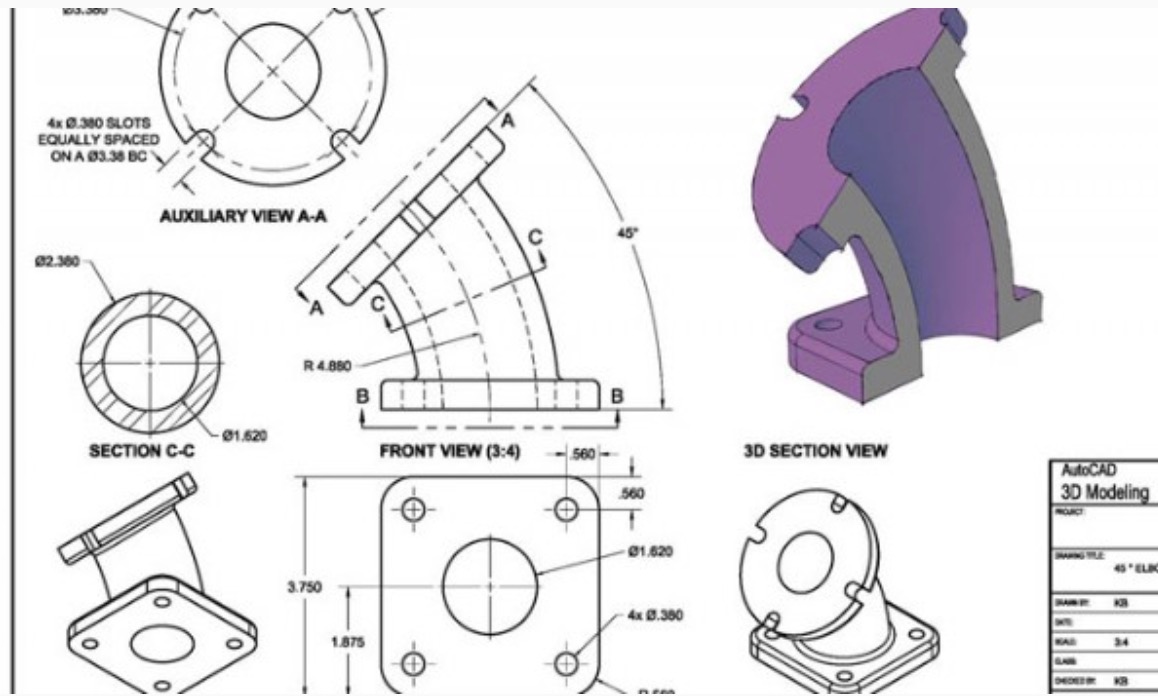
Source: Technical drawing 1 via Wikimedia Commons, CC BY-SA 3.0.
What is a product spec sheet?
A product spec sheet is a document that explains the product requirements in a structured way.
It usually includes details like:
- dimensions
- materials
- colors
- logo method
- packaging
- performance requirements
- compliance needs
- quality expectations
In simple terms, it is the document that turns “I want this kind of product” into “this is exactly what the factory needs to make.”
Why a spec sheet matters so much
Without a proper spec sheet, factories are forced to guess.
That usually leads to problems like:
- inconsistent quotes
- wrong materials
- misunderstanding about size or finish
- delays during sampling
- disputes about what was originally agreed
If you are sourcing from China, a clear spec sheet reduces back-and-forth and makes it easier to compare suppliers fairly.
If you are also evaluating service providers at the same time, our guide to China sourcing agent cost helps you judge what should be included before you pay for supplier search or shortlist work.
What a good product spec sheet should include
You do not need a perfect engineering file for every product. But you do need enough detail for the factory to quote and execute correctly.
1. Product overview
Start with the basics:
- product name
- product category
- intended use
- target market
This gives the factory context before they read the technical details.
2. Dimensions and measurements
Be exact wherever possible.
Include:
- length, width, height
- thickness
- weight
- capacity or volume if relevant
- tolerance if necessary
If the product has multiple sizes or variants, separate them clearly.
3. Materials
This section is critical.
Do not just say “metal,” “plastic,” or “fabric.” Be more specific if you can.
Examples:
- stainless steel 304
- ABS plastic
- 100% cotton canvas
- zinc alloy
If you are not fully sure about the material yet, say that clearly and note acceptable options.
4. Color and finish
Factories should not have to guess what “light blue” means.
Use:
- Pantone references if possible
- finish type such as matte, glossy, brushed, polished, plated, coated
- reference images where helpful
5. Logo and branding details
If branding is required, specify:
- logo placement
- logo size
- logo color
- branding method such as print, embroidery, laser, embossing, debossing, engraving
This is one of the most common sources of sample mistakes.
6. Construction details
Explain how the product should be built.
Depending on the product, this may include:
- number of parts
- stitching method
- closure type
- seam detail
- handle structure
- accessory parts
- assembly requirements
If a photo or sketch helps, include it.
7. Packaging requirements
Do not leave packaging until the end.
You may need to specify:
- individual packaging
- inner carton quantity
- master carton quantity
- carton dimensions
- barcode label
- warning labels
- insert cards
- retail box requirements
Packaging affects both quote accuracy and shipping cost.
If your cartons need external marks, barcodes, or origin wording, our guide to shipping marks explains what belongs on the outside of the box, and our guide to Made in PRC explains what that origin wording does and does not mean.
8. Compliance or testing requirements
If the product will be sold in a regulated market, note the relevant requirements early.
Examples may include:
- CPSIA
- CE
- RoHS
- FDA-related requirements
- REACH
If you do not mention compliance until late in the process, the quote or sample stage may be misleading.
9. Quality expectations
This section helps avoid arguments later.
State what matters most:
- appearance standards
- acceptable tolerances
- surface finish expectations
- functional performance
- defect limits if relevant
The clearer this section is, the easier inspection becomes later.
10. Reference images or drawings
Even a simple annotated image can help a lot.
If you have:
- sketches
- CAD drawings
- marked-up photos
- competitor references
attach them with notes.
Just make sure the references are used to clarify your requirements, not replace them.
Common mistakes buyers make
1. The spec sheet is too vague
Words like “good quality,” “same as sample,” or “premium finish” are not enough.
2. Important details are spread across messages
If key requirements live in email threads, WhatsApp chats, and voice notes, mistakes become much more likely.
Put the final requirements in one document.
3. No distinction between must-have and nice-to-have
Factories need to know what is mandatory and what is flexible.
4. Compliance and packaging are left too late
That often causes rework, repricing, or unusable samples.
5. The buyer assumes the factory “already understands”
Do not assume. Even good factories work better with clear documentation.
A simple structure you can follow
You can organize your product spec sheet like this:
- Product overview
- Dimensions
- Materials
- Colors and finish
- Logo details
- Construction details
- Packaging
- Compliance requirements
- Quality expectations
- Reference images
That structure is usually enough to start quoting and sampling properly.
Why this matters for sourcing in China
A spec sheet is not just a design document. It is also a sourcing control document.
It helps you:
- compare factories on the same basis
- reduce misunderstandings
- improve sample accuracy
- support contract clarity later
- make inspections easier
If your sourcing process starts with a weak spec sheet, every later step becomes harder.
Final answer
To write a good product spec sheet for Chinese factories, focus on clarity, structure, and specifics. Define the product requirements in one place, include the details that affect quote and production, and avoid vague language.
If you need help finding factories that match your product requirements, see our factory sourcing service. If you already have a supplier and want to reduce risk before moving forward, see our supplier verification service.