A shipping manifest is a document that lists the cargo being shipped.
In practical terms, it tells carriers, ports, customs, and other parties what goods are on board, how they are packed, and where they are going.
For importers, the important point is this: a shipping manifest is not just paperwork. It is one of the documents that helps confirm whether the shipment details are consistent with what was ordered and what is actually being moved.

Source: Checking the manifest (15572276949) via Wikimedia Commons, public domain/U.S. Air Force.
What is a shipping manifest?
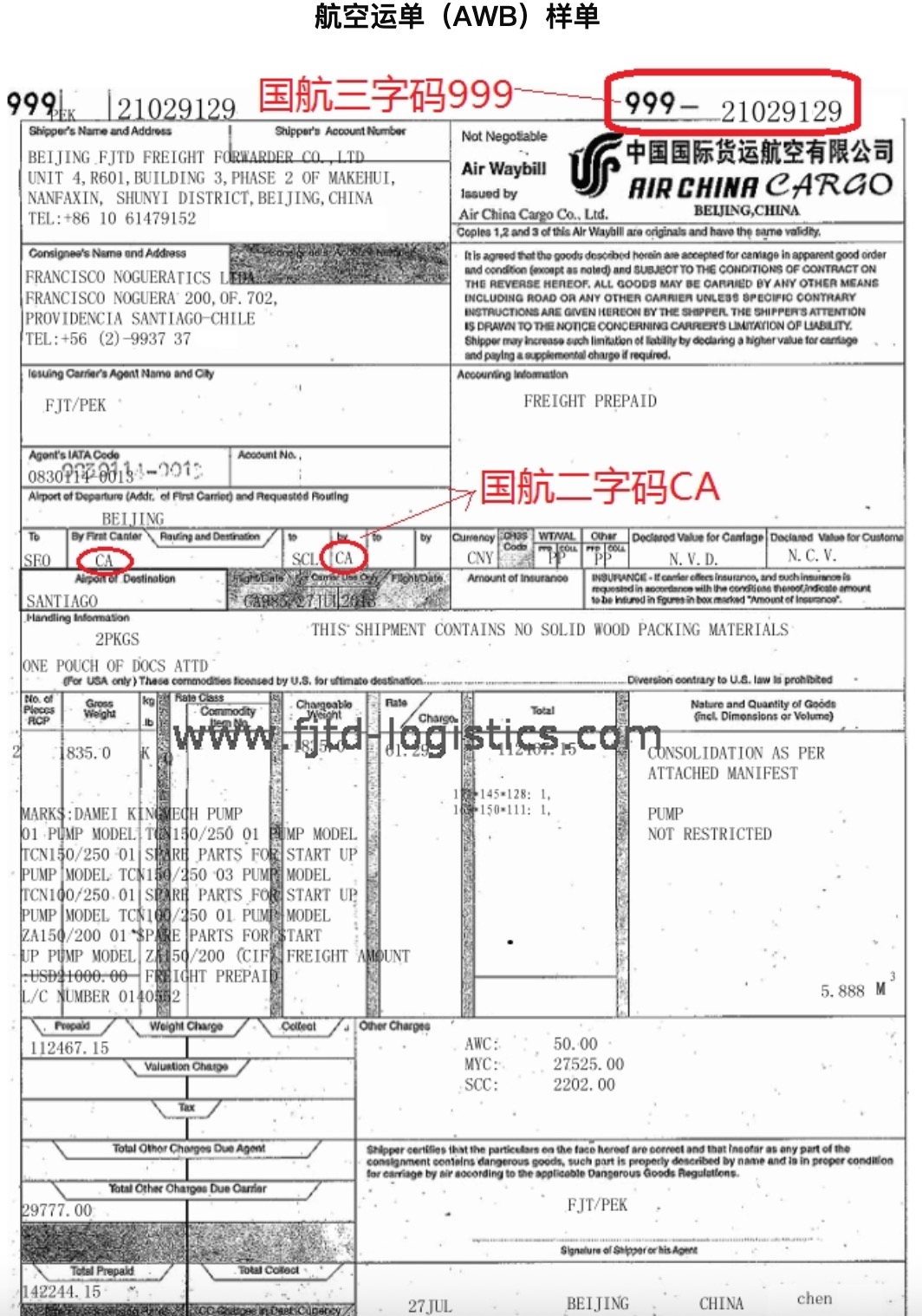
A shipping manifest is a summary record of the shipment contents.
Depending on the shipment type and trade process, it may include details such as:
- shipper name
- consignee name
- product description
- quantity
- package count
- weight
- container number
- marks and numbers
- port of loading
- port of discharge
The exact format can vary, but the basic purpose is the same: to identify what cargo is in the shipment.
Source: Ship Manifest via Wikimedia Commons, public domain.
What is the difference between a shipping manifest and a packing list?
These documents are related, but they are not the same.
Shipping manifest
The manifest is a shipment-level record used in transport and logistics.
Packing list
The packing list is usually more specific to the order and packaging details. It often shows:
- carton count
- carton dimensions
- item quantity by carton
- gross and net weight
In many real transactions, buyers look at the packing list more often. But the shipping manifest still matters because it is part of the logistics record and can reveal inconsistencies.
If you need the carton-side detail behind those entries, our guide to shipping marks explains how marks and numbers should appear on the box itself.
Why importers should care about the shipping manifest
Many buyers ignore shipping documents until something goes wrong.
That is a mistake.
Reviewing shipment documents early can help catch issues such as:
- wrong consignee details
- inconsistent cargo description
- quantity mismatch
- missing marks and numbers
- container detail problems
- document mismatch between supplier and freight side
These problems can delay cargo, create customs friction, or complicate dispute resolution later.
What should importers check on a shipping manifest?
Here are the main things worth checking.
1. Consignee and shipper information
Make sure the named parties are correct.
Check:
- buyer name
- consignee company name
- supplier or shipper name
- address details if shown
If these details are wrong, it can create avoidable clearance or delivery problems.
2. Cargo description
The product description should be accurate enough to match the actual goods and the related documents.
Watch for:
- descriptions that are too vague
- product wording that does not match the invoice or packing list
- descriptions that create unnecessary compliance or customs questions
Consistency matters more than fancy wording.
If the shipment documents use origin wording such as Made in PRC, our guide to what Made in PRC means explains how buyers should read that language without overreacting to it.
3. Quantity and package count
Check whether the package count and quantity line up with:
- purchase order
- commercial invoice
- packing list
- booking information
If the manifest says one thing and the other documents say another, you need to understand why before the shipment goes too far.
4. Weight and volume
Review gross weight, net weight, and volume where relevant.
This helps you spot possible errors such as:
- unrealistic carton counts
- packaging changes that were not explained
- freight cost surprises
5. Marks and numbers
If your cartons carry shipping marks, those details should be consistent across the shipment documents.
This helps with:
- warehouse handling
- identification at destination
- matching cartons to the right order
6. Container and route details
For container shipments, check:
- container number
- seal number if available
- port of loading
- port of discharge
- final destination where relevant
These details matter if you are trying to track the cargo or resolve a dispute later.
Common problems buyers overlook
1. Document mismatch
One of the most common issues is that the invoice, packing list, and shipping manifest do not match cleanly.
Even small inconsistencies can create unnecessary confusion.
2. Vague product descriptions
Descriptions that are too broad can make customs or internal review harder.
3. Last-minute packaging changes
If the supplier changed carton count or packaging method late, the manifest may not align with earlier expectations.
4. Wrong consignee or notify party details
This is a simple mistake, but it can create real delays.
What a shipping manifest does not tell you
A shipping manifest is useful, but it has limits.
It does not tell you:
- whether the product quality is acceptable
- whether the supplier is trustworthy
- whether the factory followed your production requirements
- whether the contract terms were respected
It is a logistics control document, not a full risk-control document.
How this fits into a safer import process
If you are buying from China, a safer process usually looks like this:
- verify the supplier
- confirm the product requirements clearly
- review contract and payment terms
- monitor production and shipment documents
- inspect where necessary
The shipping manifest belongs near the end of that chain. It helps you check whether the cargo paperwork still matches the transaction you thought you had.
Final answer
A shipping manifest is a document that summarizes the cargo in a shipment. Importers should review it for consistency with the invoice, packing list, shipment routing, and carton information.
It is useful for catching logistics and document problems, but it does not replace supplier verification, factory due diligence, or contract review.
If you are still choosing suppliers, see our factory sourcing service. If you already have a supplier and want to reduce risk before money moves, see our supplier verification service.