Shipping marks are the symbols, words, numbers, or reference codes printed on cartons to identify cargo during transport and handling.
They are not just a warehouse detail. For many importers, shipping marks help keep cartons identifiable across packing, loading, transit, and destination handling.
If they are unclear, inconsistent, or missing, the result can be confusion, delays, or mistakes in storage and delivery.
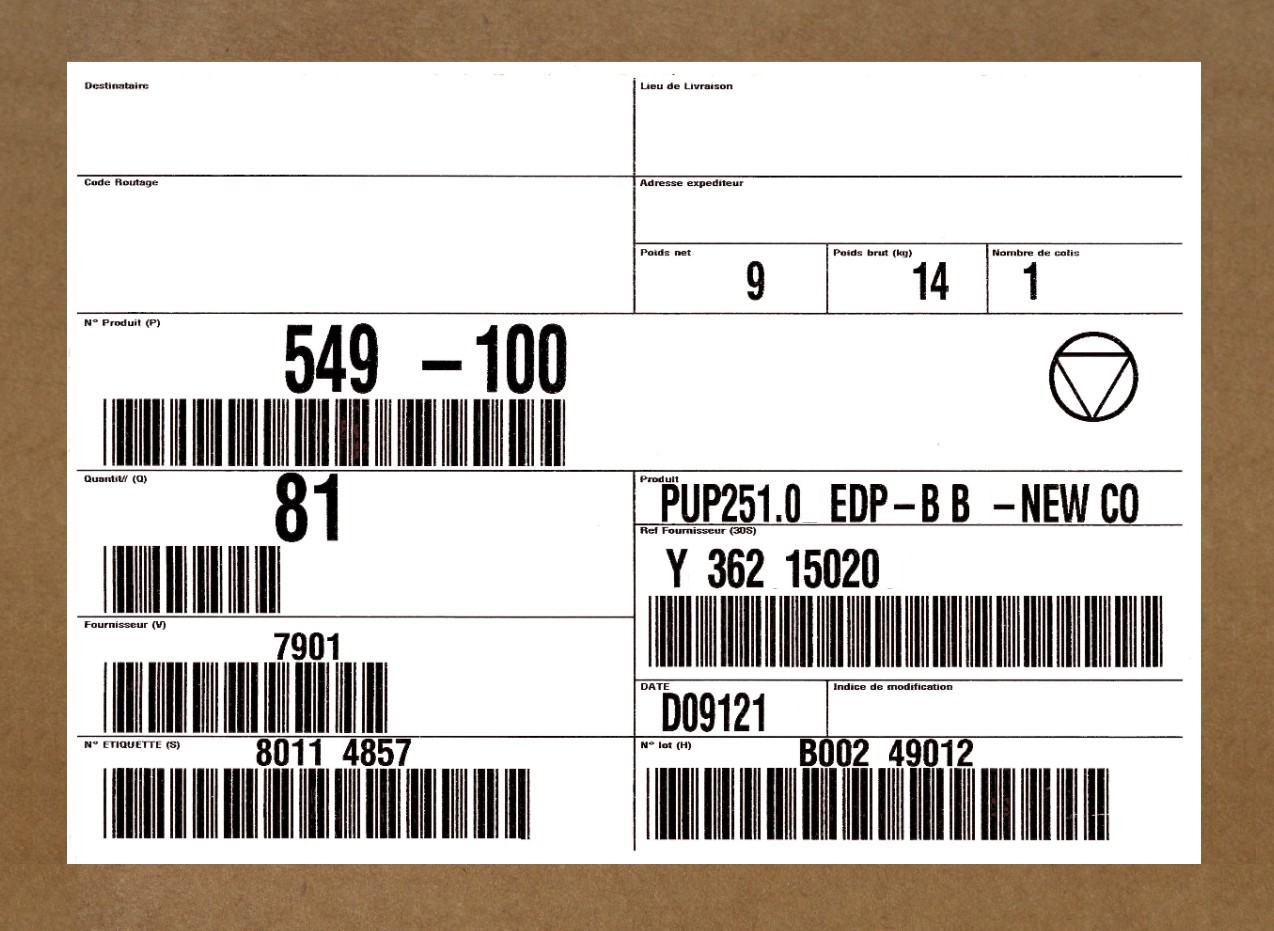
Source: Label sur carton via Wikimedia Commons, CC BY-SA 3.0.
What are shipping marks?
Shipping marks are the external identification markings placed on cartons or shipping packages.
They often include items such as:
- consignee name or abbreviation
- destination
- purchase order number
- carton number
- item code
- country of origin
- handling symbols where needed
Their job is simple: make sure the right cargo can be recognized and handled correctly.
Types of shipping marks
Shipping marks are not all the same. Different marks serve different purposes within a shipment.
Main mark
The primary identification block — usually the buyer or consignee name, destination, and order reference. This appears most prominently on the carton and is the first thing a warehouse team reads.
Counter mark
A secondary identifier added when multiple buyers share a shipment, or when cargo moves through multiple handlers. It helps distinguish one buyer's cartons from another's.
Port mark
Indicates the final destination port or delivery point. Freight handlers use this to route cartons correctly when cargo arrives at a hub.
Care and handling marks
Symbols or written instructions that tell handlers how to treat the cargo — for example, "This Side Up", "Fragile", "Keep Dry", or "Do Not Stack". These are especially important for fragile or temperature-sensitive goods.
Number mark
The carton sequence reference, such as Carton 3 of 24. This tells receiving teams how many cartons to expect and makes it easy to flag missing packages on arrival.
Shipping marks on cartons
For most China export shipments, shipping marks are printed or labeled directly onto the outer carton surface.
Standard practice:
- Apply marks to at least two sides of the carton so they remain visible regardless of how cartons are stacked
- Use durable ink or pre-printed adhesive labels that survive transit, humidity, and handling
- Keep marks unobstructed by tape or stretch wrap
- Confirm the final format with your supplier before packing starts — changing marks after cartons are sealed creates delays
What to include on a carton shipping mark
A complete carton shipping mark typically shows:
- Consignee name or buyer code
- Destination city or warehouse reference
- PO number or item reference
- Carton sequence number (e.g., 1/20, 2/20)
- Country of origin (Made in China or Made in PRC)
- Gross weight and dimensions (optional, but useful for freight teams)
Carton shipping marks are external logistics identifiers. They are not the same as the product label inside the carton, which is consumer-facing and governed by separate compliance requirements.
Why shipping marks matter
Many buyers treat shipping marks as a small packaging issue. In reality, they help with:
- warehouse identification
- carton sorting
- shipment matching
- receiving accuracy
- reducing mix-ups between orders
If you are shipping multiple SKUs, multiple destinations, or repeat orders, good shipping marks become much more important.
What information is usually included in shipping marks?
There is no single universal format, but common elements include:
1. Buyer or consignee reference
This helps identify who the cargo belongs to.
2. Destination
This may be a city, warehouse code, customer code, or delivery reference.
3. Purchase order or item reference
This helps match cartons to the order.
4. Carton numbering
Examples:
- Carton 1 of 20
- Carton 2 of 20
- Carton 20 of 20
This helps receiving teams know whether the shipment is complete.
5. Country of origin
Depending on the product and market requirements, cartons may also show origin wording such as Made in China or Made in PRC.
If you want the wording issue explained separately, our guide to Made in PRC breaks down why this is usually a country-of-origin format issue, not a hidden supplier-risk signal.
What shipping marks do not replace
Shipping marks are useful, but they do not replace:
- commercial invoice
- packing list
- product labels
- compliance labeling
- customs documentation
They support the shipment process, but they are only one part of the document and packaging system.
If you want the document side of the same process, our guide to shipping manifests explains what importers should cross-check before cargo moves.
Common shipping mark mistakes
1. The marks are too vague
If the carton only says something generic, it may be hard to identify at destination.
2. The marks do not match the documents
If carton marks do not line up with the packing list or shipping manifest, errors become more likely.
3. Carton numbering is missing
Without carton sequence numbers, receiving teams may not know whether all packages arrived.
4. The wrong order code is printed
This can create warehouse confusion, especially when multiple orders are moving at the same time.
5. The marks are unreadable
If printing is poor or placement is inconsistent, the marks lose their purpose.
Best practices for buyers
If you are sourcing from China, these are sensible shipping mark practices:
Keep the format simple
Do not overload the carton with unnecessary information. The point is clarity.
Make the marks match the documents
Your shipping marks, packing list, and shipment details should align cleanly.
Confirm the final format before production or packing
Do not wait until cargo is already being packed.

Source: Sticking a label onto a parcel for shipping by Meanwell Packaging via Wikimedia Commons, CC BY 2.0.
Use carton sequence numbers
This makes receiving and discrepancy checking easier.
Be careful with customer-facing information
If the carton should not reveal sensitive brand or customer details, design the mark format accordingly.
A simple shipping mark example
A basic shipping mark might look like this:
ABC IMPORTS
LOS ANGELES
PO# 4582
CARTON 3/24
MADE IN PRC
The exact format depends on your logistics process, but the idea is to make the carton easy to identify and reconcile.
Why this matters in real operations
Shipping marks seem minor when everything goes well. They matter more when:
- multiple shipments arrive together
- cartons get separated
- the warehouse needs to identify missing packages
- a receiving team needs to reconcile the order quickly
Good shipping marks reduce operational friction. Bad ones create avoidable noise.
Final answer
Shipping marks are carton identifiers used to help recognize, sort, and track cargo during shipping and receiving. They usually include buyer references, destination details, and carton numbering.
For overseas buyers, the key is to keep them clear, consistent, and aligned with the packing list and shipping documents.
If you are still selecting suppliers, see our factory sourcing service. If you already have a supplier and want to reduce risk before the next order, see our supplier verification service.